Table of Contents
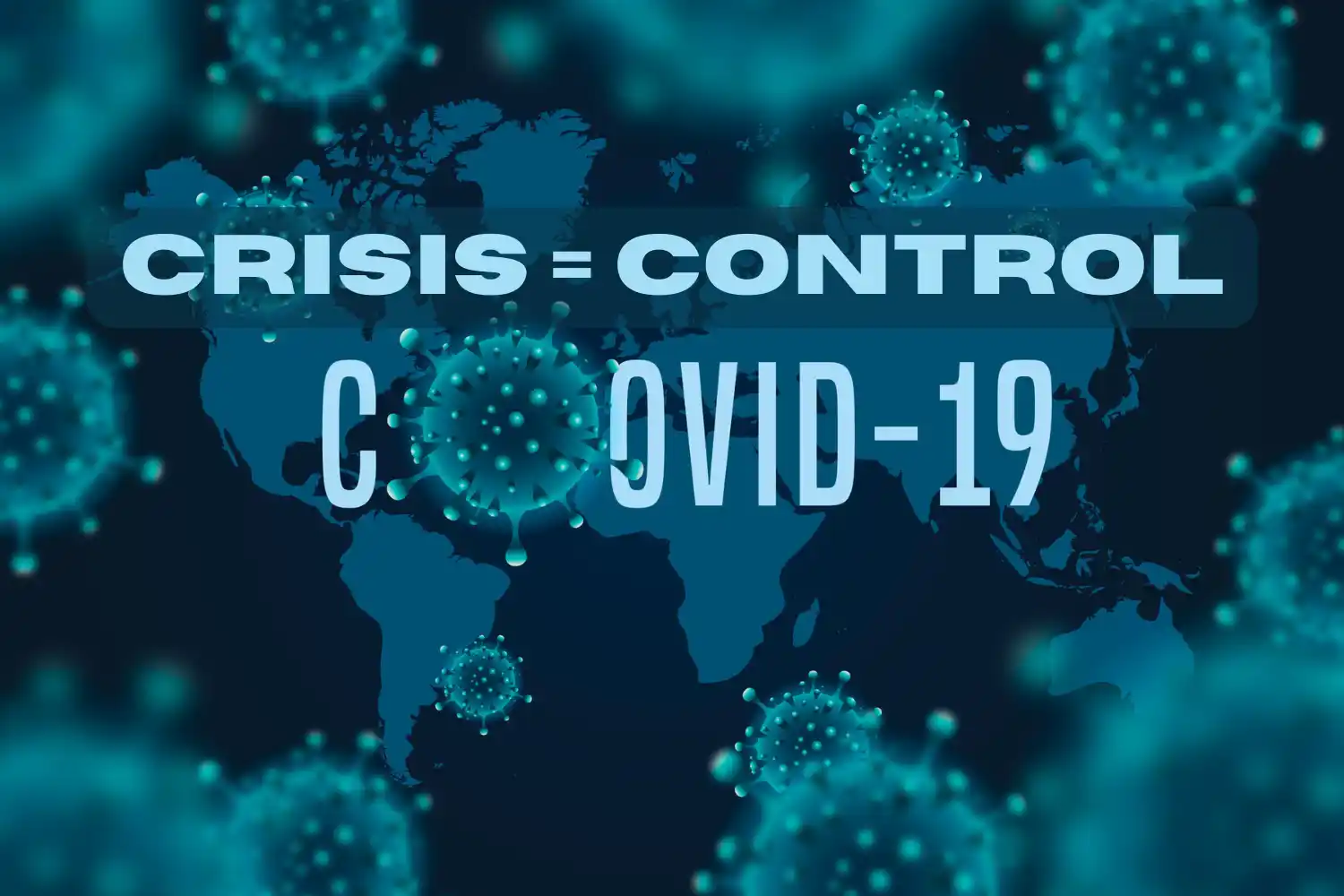
History has a cruel sense of humor. Every time humanity confronts a crisis, whether a deadly virus, a financial meltdown, or a sudden terror attack, governments seize the moment. They claim it’s temporary, necessary, unavoidable. And yet, nearly every time, those temporary powers stretch, flex, and, eventually, harden into permanent structures of control.
Consider Covid-19. In 2020, the world seemed to pause. Streets emptied, businesses shuttered, and governments wielded unprecedented authority. Lockdowns were announced with little debate, curfews enforced with fines and arrests, and public health messaging became a state-sanctioned gospel.
Most citizens complied, some reluctantly, others with relief at a semblance of security. But beneath the surface, a predictable pattern unfolded: the expansion of government power in ways that might never fully recede.
Historical Context: The Pattern Is Clear
Covid-19 did not invent this pattern. Governments have long used emergencies as a pretext for expanding authority.
- The Roman Empire: After the catastrophic fire of 64 CE in Rome, Emperor Nero enacted strict urban controls under the guise of rebuilding safety measures. Citizens lost autonomy over their property and movement, permanently altering the balance of power between ruler and ruled.
- World Wars I & II: Wartime economies required rationing, conscription, censorship, and surveillance. In the U.K., the Defence of the Realm Act (DORA) curtailed free speech, allowed arbitrary arrests, and gave the government sweeping powers over labor and production. Many measures persisted post-war, shaping the modern welfare and surveillance states.
- 9/11 and the Patriot Act: The terrorist attacks of September 11, 2001, offered the U.S. government a pretext to massively expand surveillance and security powers. The Patriot Act authorized warrantless wiretaps, indefinite detention, and data collection on citizens, many of which remain in effect two decades later.
- Financial Crises: The 2008 Global Financial Crisis empowered central banks and governments to intervene in unprecedented ways: bailing out institutions, imposing stricter regulations, and expanding monitoring of personal and corporate finances. While some argue these actions saved the economy, they also increased dependency and state oversight.
The pattern is unmistakable: crises create an opportunity for governments to concentrate power, often far beyond the original necessity.
Covid-19: The Modern Case Study
Covid-19 provided a contemporary lens through which we can examine government overreach.
Lockdowns and Mandates
Lockdowns, initially framed as a temporary measure to “flatten the curve,” became months-long experiments in social engineering. Entire industries collapsed under government mandates, from small restaurants to global travel. Schools closed, reshaping the social fabric for years. Governments claimed public health as justification, but the bluntness and duration of restrictions exposed a willingness to prioritize control over proportionality.
Surveillance and Data Control
Governments leveraged technology to monitor citizens like never before. Contact-tracing apps, mobile data tracking, facial recognition in public spaces… What was once the realm of dystopian fiction became normalized. In South Korea, citizens’ movement data, credit card transactions, and health records were combined to track exposure. In Singapore, apps like TraceTogether, while ostensibly voluntary, became quasi-mandatory for accessing services.
Censorship and Information Management
Covid-19 saw a surge in state-mediated information control. Governments and social media platforms collaborated to suppress dissenting views on pandemic management, vaccines, and lockdown efficacy. The line between misinformation and inconvenient truths blurred. Anyone questioning the official narrative risked public shaming, deplatforming, or worse.
Emergency Powers Become Permanent
Many countries invoked emergency laws granting executives expanded authority. In Israel, Hungary, and the Philippines, leaders extended emergency declarations for months, consolidating power. Hungary’s Viktor Orbán, for instance, governed by decree for over a year under pandemic rules. Even in democracies like the U.S., emergency spending bills and public health powers created precedents that could justify future overreach.
Mechanisms of Control
How do governments convert a crisis into long-term control? It is never a single tactic; it is a layered strategy:
- Legal Instruments: Emergency laws, executive orders, and public health mandates provide a veneer of legality for otherwise extraordinary powers.
- Technological Levers: Surveillance apps, digital IDs, and data collection normalize monitoring. What begins as a health necessity often morphs into permanent state visibility.
- Economic Dependencies: Bailouts, subsidies, and financial restrictions bind citizens and businesses to state directives and make compliance economically rational.
- Information Management: Propaganda, selective reporting, and censorship ensure a narrative that favors government legitimacy while marginalizing dissent.
- Social Conditioning: Fear, uncertainty, and social pressure make citizens willing participants, smoothing the path for normalized authoritarianism.
Consequences: Beyond the Pandemic
The consequences of these expansions are subtle and systemic:
- Erosion of Civil Liberties: Rights like assembly, speech, and privacy have been curtailed, sometimes permanently. Once normalized, these constraints are difficult to fully roll back.
- Normalization of Control: Citizens get used to government directives. Compliance becomes habitual, skepticism diminishes, and dependence increases.
- Degradation of Public Trust: Ironically, while governments claim crises justify intervention, overreach breeds distrust. Public institutions are simultaneously empowered and delegitimized, leaving a cynical populace.
- Threats to Democracy: Long-term consolidation of power, even under democratically elected governments, undermines checks and balances. Emergency measures may outlive their stated purpose and create a “soft authoritarianism” in otherwise free societies.
Counterarguments and Rebuttals
Some argue that public health, national security, and economic stability justify temporary overreach. No reasonable observer disputes that emergencies require swift, sometimes uncomfortable measures. But the historical and Covid-19 evidence suggests a consistent pattern: temporary necessity often becomes permanent habit.
- Public Health Justification: Lockdowns may have slowed transmission, but the blunt-force, months-long restrictions disproportionately harmed economies, education, and mental health, while often leaving vulnerable populations exposed in other ways.
- Security and Stability: Governments claim that emergency powers prevent chaos, but overreach erodes trust and leads to social instability, protests, and resistance, the very crises authorities aim to prevent.
- Technology for Safety: Surveillance is justified as a public good, yet unchecked collection of data and normalization of monitoring pave the way for broader authoritarian use, extending far beyond health crises.
The rebuttal is clear: emergency powers, once invoked, are difficult to unwind, and the long-term societal costs often outweigh short-term gains.
Lessons from the Pandemic
Emergencies are predictable. Both in their occurrence and in how governments exploit them. Covid-19 is the latest, most visible example of a historical pattern: crises expand government control, erode liberties, and normalize surveillance. Citizens comply, often willingly, believing that the measures are temporary or necessary. And yet, history teaches us that temporary is rarely just that.
The lesson is urgent: we must scrutinize every emergency decree, every “temporary” mandate, and every government claim of necessity. Civil liberties are not negotiable, even in the face of fear. Democracy is not a spectator sport. It requires constant vigilance, even when the emergency is real.
If we forget history, we are destined to repeat it. Emergencies will come, governments will act, and the boundaries of power will always be tested. The real question is whether society will resist, or meekly accept the expansion of control as an inevitable part of survival.
Covid-19 was not the beginning; it was merely (one of) the latest chapter. And unless we read history carefully, it will not be the last.