Table of Contents
Traveling is exciting, but nothing kills the joy faster than unexpected expenses. From overpriced airport taxis to surprise luggage fees, unplanned costs can turn a dream vacation into a financial headache. That’s why calculating travel costs before booking is crucial.
By understanding your expenses upfront, you gain control over your budget, avoid unpleasant surprises, and make smarter choices about where to stay, how to get around, and what activities to include.
A well-calculated budget doesn’t just keep your finances in check, it enhances your entire trip experience. You can enjoy your destination without constantly worrying about money, prioritize experiences that matter most, and even find ways to save along the way. In short, pre-trip cost planning is your ticket to stress-free travel.
Understanding Travel Costs
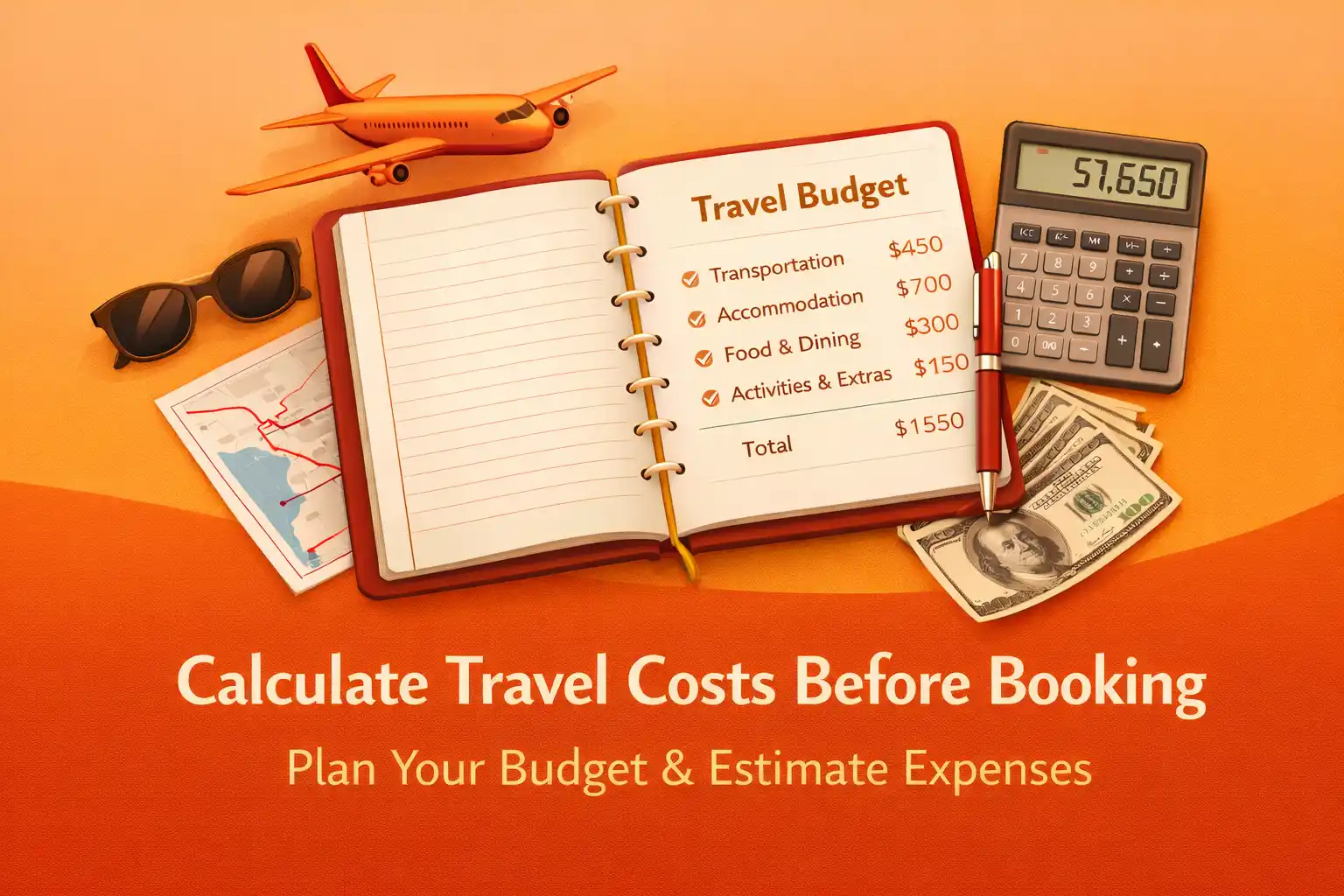
Before getting into numbers, it’s important to define what total travel costs really mean. Your total travel costs encompass every expense you incur from the moment you start planning until you return home. These costs generally fall into five major categories:
- Transportation – Getting to your destination and moving around locally.
- Accommodation – Where you sleep: hotels, hostels, Airbnb, or other lodging.
- Food and dining – Meals, snacks, drinks, and occasional splurges.
- Activities and attractions – Tickets, tours, entertainment, and experiences.
- Incidentals and extras – Travel insurance, tips, souvenirs, local fees, and emergencies.
Understanding these categories helps you break down your budget in a structured way rather than relying on vague estimates.
Factors to Consider When Estimating Costs
Each trip is unique, and costs vary depending on destination, travel style, and timing.
Here’s a breakdown of the main factors you should consider:
1. Transportation
Transportation is often the largest portion of a travel budget. Include:
- Flights: Research airline prices, including baggage fees and seat selection.
- Trains and buses: Long-distance trains or buses can be cheaper alternatives.
- Local transit: Public transportation, taxis, ride-sharing apps, and local buses.
- Car rentals: Daily rental rates, fuel, tolls, and parking fees.
- Fuel and parking: If driving, factor in distance, fuel costs, and parking charges.
Tip: Always check whether airport transfers or shuttle services are included in your accommodation price (they often aren’t).
2. Accommodation
Where you stay significantly affects your budget. Consider:
- Hotels: Star rating, location, and amenities impact cost.
- Hostels: Budget-friendly options, sometimes with shared facilities.
- Airbnb or vacation rentals: Often cheaper for groups or longer stays.
- Alternative lodging: Guesthouses, farm stays, or homestays.
Remember to include taxes, service fees, and any refundable or non-refundable booking policies.
3. Food and Dining
Food is variable depending on your style:
- Daily meals: Breakfast, lunch, and dinner costs.
- Snacks and drinks: Coffee, street food, and bottled water.
- Occasional splurges: Fine dining, specialty desserts, or local delicacies.
Tip: Research average meal prices for your destination using travel blogs or cost-of-living guides.
4. Activities and Attractions
Activities are often the most flexible budget item. Include:
- Tours and tickets: Museums, theme parks, city passes.
- Experiences: Guided hikes, local workshops, adventure sports.
- Entertainment: Shows, nightlife, or cultural events.
5. Travel Insurance and Emergency Funds
Never skip travel insurance, especially for international trips. Include:
- Medical coverage
- Trip cancellations
- Lost baggage or delays
Also, allocate an emergency fund (typically 5–10% of your total budget) for unexpected costs.
6. Currency Exchange Rates and Fees
For international travel, consider:
- Exchange rates
- ATM fees or international card transaction fees
- Dynamic currency conversion charges
These small costs add up and can distort your budget if ignored.
Step-by-Step Guide to Calculating Travel Costs
Here’s how to estimate your total travel costs accurately:
Step 1: Research Destination-Specific Prices
- Look up average flight costs for your dates.
- Check hotel rates and availability.
- Research prices for activities and local transport.
Step 2: Decide on Your Travel Style
Your travel style heavily impacts costs:
- Budget: Hostel stays, public transport, and local food.
- Mid-range: Standard hotels, occasional dining out, and paid tours.
- Luxury: High-end hotels, private transport, fine dining, and premium experiences.
Step 3: Estimate Daily Expenses
- Multiply your expected daily costs (accommodation, food, activities, transport) by the number of days.
- Example:
- Hotel: $100/day
- Meals: $40/day
- Transport: $20/day
- Activities: $30/day
Daily total: $190
7-day trip: $190 × 7 = $1,330
Step 4: Include Hidden Costs
- Luggage fees
- Tips and gratuities
- Souvenirs or shopping
- Travel gear or special equipment
Step 5: Calculate the Grand Total
Add daily expenses, transportation to/from the destination, travel insurance, emergency fund, and hidden costs. This gives a realistic view of total trip costs before booking.
Tools and Resources for Accurate Cost Estimates
Several tools make pre-trip cost planning easier:
- Flight comparison websites: Skyscanner, Kayak, Google Flights
- Hotel booking platforms: Booking.com, Airbnb, Agoda
- Travel budget calculators: Mint, Trail Wallet, TravelSpend
- Currency converters: XE Currency, OANDA
- Cost-of-living guides: Numbeo, Expatistan
- Travel blogs and forums: Insider tips for hidden fees, seasonal deals, and realistic budgeting
Using these resources ensures your estimates are accurate and up to date.
Tips for Staying Within Budget
Even with careful planning, trips can exceed your budget. These strategies help:
- Prioritize essentials: Decide what you must do vs. optional extras.
- Book in advance: Secure cheaper flights, accommodations, and tours.
- Track deals: Use fare alerts and discount codes.
- Adjust travel dates or destinations: Off-peak travel often saves hundreds.
- Keep a contingency fund: Unexpected expenses are inevitable, so plan a small buffer.
Common Mistakes to Avoid
- Ignoring hidden fees: Airport taxes, resort fees, and service charges add up.
- Forgetting seasonal fluctuations: Peak seasons can double your costs.
- Neglecting transfers: Travel to/from airports or stations can be expensive.
- Overestimating or underestimating daily spending: Be realistic with food, transport, and activity costs.
- Skipping research: Don’t assume costs based on your home country standards.
Avoiding these mistakes ensures your budget is reliable and stress-free. By understanding transportation, accommodation, food, activities, and hidden costs, you can make informed decisions, avoid financial surprises, and even identify opportunities to save. Use tools, research your destination, and break your expenses down by day. Factor in emergencies, hidden fees, and currency fluctuations.
A well-planned travel budget ensures every dollar is spent wisely, every experience is maximized, and every trip ends with memories, not regrets.